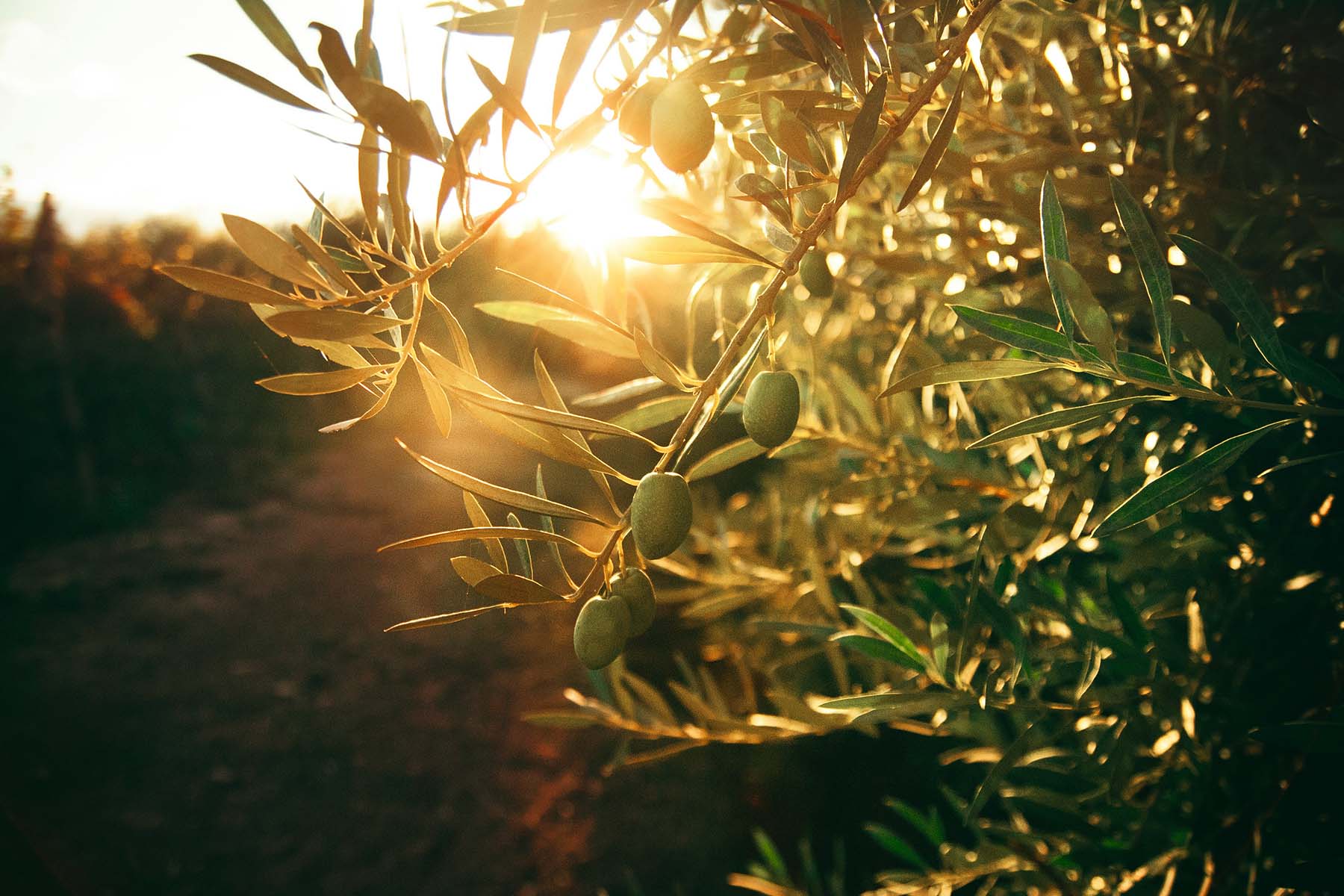
Drive anywhere inland on Corfu and you pass through olive groves that look nothing like the neat, low, heavily pruned rows you see on the Greek mainland or in Italy. Corfu’s olives are enormous — tall, wide, hollow-trunked, often several centuries old, growing on terraces that climb the hillsides. They look wild. They are, in fact, the result of an administrative decision made in Venice.
The Venetian Bounty
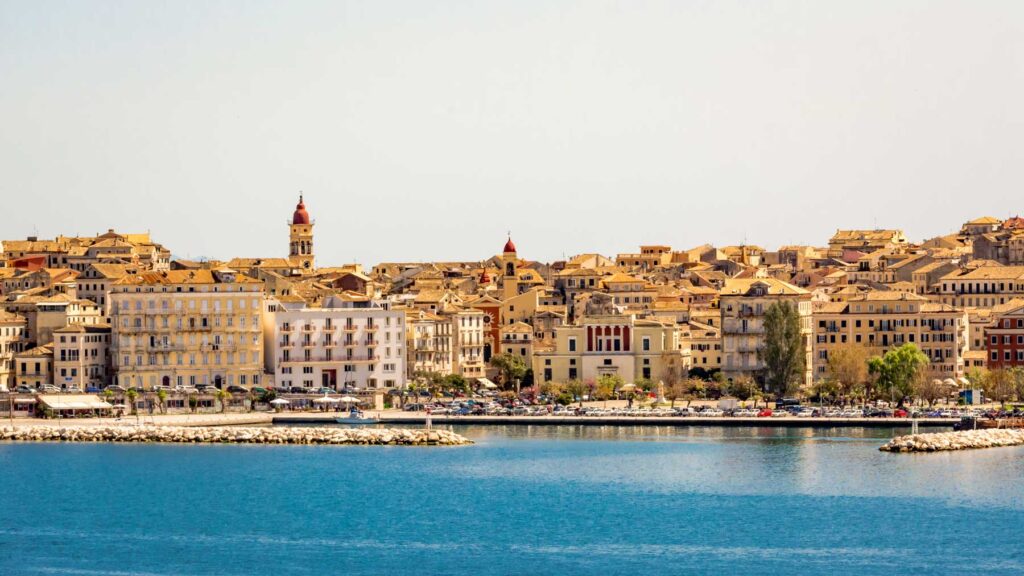
Venice held Corfu for roughly four centuries, from the late 1300s until Napoleon’s arrival at the end of the 1700s. It was the Republic’s most important Ionian possession, and Venice wanted something from it beyond a fortified harbour: oil.
Olive oil was a strategic commodity. It lit lamps, made soap, and fed the shipbuilding trades. So the Venetian administration introduced a bounty — a payment to Corfiot landowners for every batch of olive trees they planted. The incentive worked, spectacularly. Over generations, the island’s landowners covered Corfu in olive trees, and the modern estimate runs into the millions.
Why Corfu’s Trees Look Different
The Venetians wanted volume of oil, not ease of harvest, and Corfiot practice developed accordingly.
- The trees were left to grow tall. Elsewhere, olives are pruned low so pickers can reach the fruit. On Corfu they were allowed to reach full height.
- The fruit was not picked from the branch. Instead, nets were spread beneath the trees and the olives were left to ripen and fall naturally over the winter months.
- Harvest ran long. Rather than a short intensive picking season, collection stretched across months as the fruit dropped.
That practice is why the groves still look untamed today, and why so many trees on the island are genuinely ancient rather than replanted.
What It Did to the Island
The olive changed more than the view. It reorganised Corfu’s economy around a single crop and a landowning class that controlled the presses. It shaped the terraced hillsides that still define the interior. And it left the island with a countryside that, in places, has barely been redrawn since.
It also had a quieter consequence. Because the groves were valuable and permanent, large parts of inland Corfu were never cleared for anything else — which is part of why the island’s interior is so much greener and more wooded than much of Greece.
The Harvest Season
Autumn is when the groves start to come back to life after the summer. Nets appear beneath the trees, the presses prepare for the season, and villages that spent the summer serving visitors turn back toward the land. Traditional harvesting on Corfu runs through the winter, into the early months of the following year.
Visiting in September means catching the very beginning of that turn — the groves being cleared and prepared, and the shift in rhythm as the island moves out of the tourist season.
Where to See It
The old groves are easiest to appreciate inland and in the north. The roads through the villages below Mount Pantokrator run between terraces that have been worked for centuries, and the area around Old Perithia sits among some of the most atmospheric of them. Several producers on the island run small presses and visits, and a number of village tavernas serve oil pressed within a few kilometres of the table.
Look for the trees with hollow, twisted trunks wide enough to stand inside. Those are the Venetian-era plantings still producing.
Explore Corfu’s Interior with Corfu Compass NSK
The olive country is the part of Corfu most visitors never see, and it is almost entirely off the bus routes. Corfu Compass NSK’s guided tours and car rental make the inland villages, terraces and presses easy to reach.
Contact Corfu Compass NSK to explore the island beyond the coast.