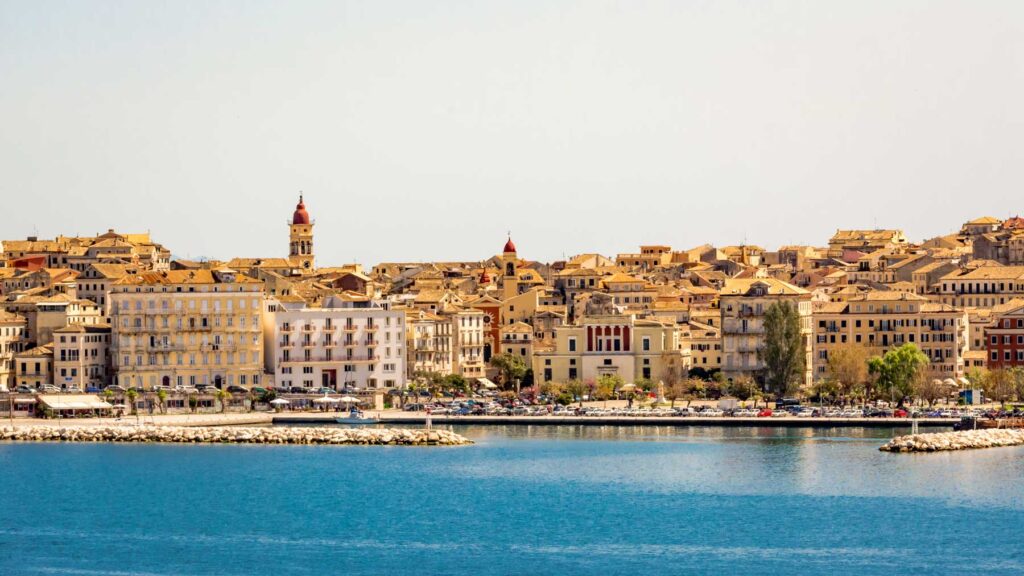
Every August 11, the streets of Corfu Town fill with clergy, brass bands, and a silver casket carried at shoulder height. It’s one of four processions held each year for the island’s patron saint, Spyridon, but the August date carries a specific weight: it marks the day Corfu believes it was saved from conquest.
The Story Behind the Date
In the summer of 1716, an Ottoman force laid siege to Corfu, then a Venetian stronghold and one of the last footholds Venice still held in the Ionian Sea. The island’s defense was led by Count Johann Matthias von der Schulenburg, a German mercenary general in Venetian service, and the siege dragged on for weeks against a much larger attacking army. According to local tradition, a violent storm broke over the Ottoman camp on the night of August 11, scattering their forces and forcing a retreat. Corfiotes credited the storm, and the island’s survival, to the intervention of Saint Spyridon — and Corfu remains one of the few parts of Greece never to fall under Ottoman rule.
Why the Relics Are Paraded Through Town
Saint Spyridon’s mummified remains have been kept on Corfu since the 15th century, housed today in the Church of Saint Spyridon in the old town. Four times a year, the relics are carried out of the church in a glass-sided silver casket and processed through the streets — each date tied to a different moment the island credits the saint with protecting it. The August 11 litany is the one specifically dedicated to the 1716 siege, and it’s timed to fall on the date the storm is said to have broken.
What Happens During the Procession
The procession sets out from the Church of Saint Spyridon and moves through Corfu Town’s main streets, typically passing the Liston and into the Spianada, the large central square. The casket is carried by church officials and escorted by clergy in formal vestments, local dignitaries, and one of Corfu’s Philharmonic bands playing solemn marches — a musical tradition the island is well known for. Crowds line the route several people deep, and shopfronts along the way are often decorated for the occasion.
Where to Stand to Watch
The Spianada and the stretch along the Liston offer the widest views and the most room to move if you want to reposition. Streets closer to the Church of Saint Spyridon are narrower and fill up earlier, so arrive well ahead of the published start time if you want to be near the casket itself. Late morning is typical for the procession, and Corfu Town in mid-August is hot with little shade directly on the route — water and a hat are worth carrying even for a short wait.
A Living Tradition
Locals treat August 11 as one of the year’s key dates, alongside the island’s Easter and November litanies for the same saint. For visitors, it’s a rare chance to see a 300-year-old civic tradition still observed at full scale, in the same streets it has run through for generations.
Explore Corfu Town’s Traditions with Corfu Compass NSK
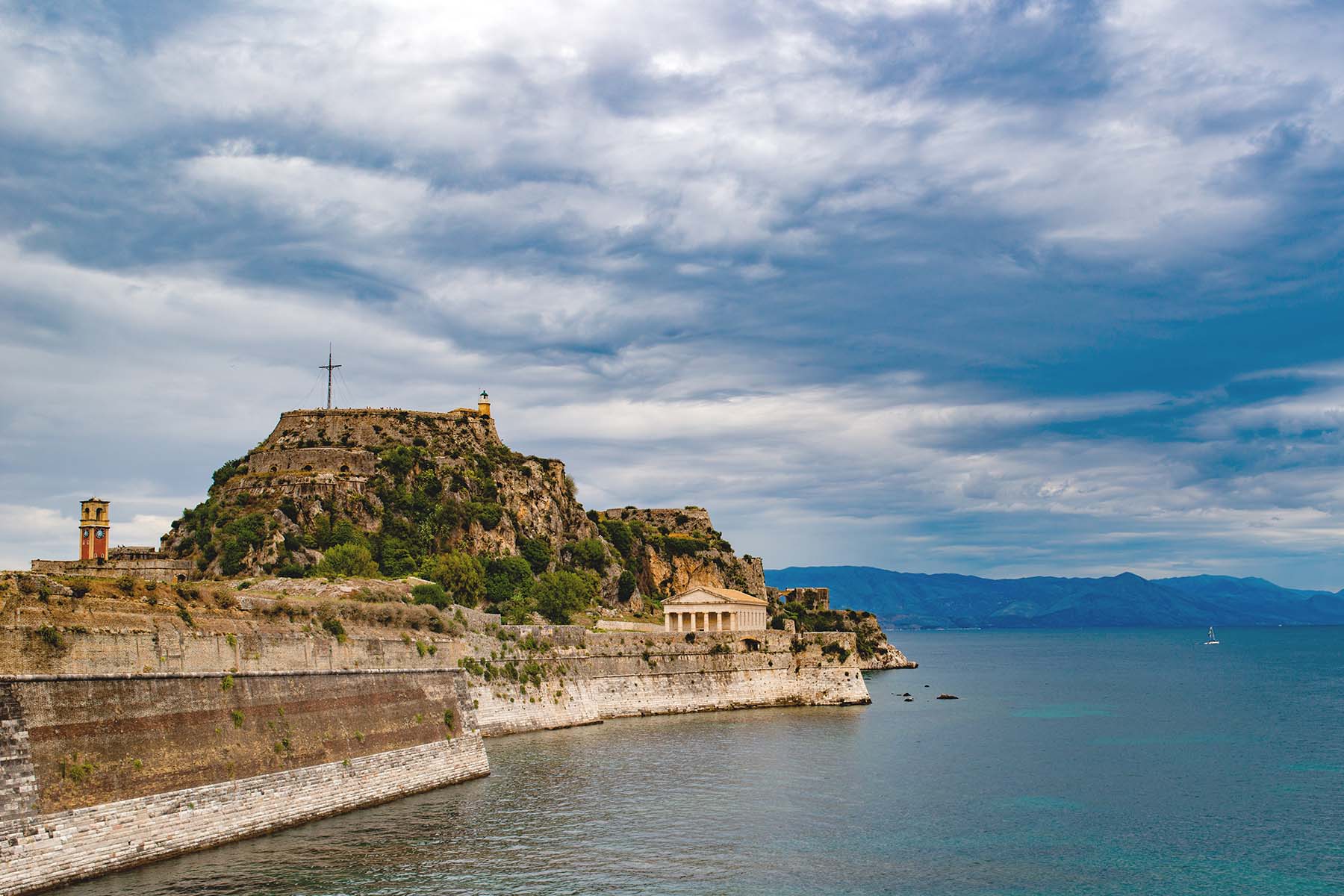
If you’re planning to be in Corfu Town for the procession, Corfu Compass NSK’s car rental makes it easy to combine the day with a visit to the island’s other historic sites — the Old Fortress, the Achilleion, or a drive out to the northern villages — without working around bus timetables.
Contact Corfu Compass NSK to arrange your rental car for the day.