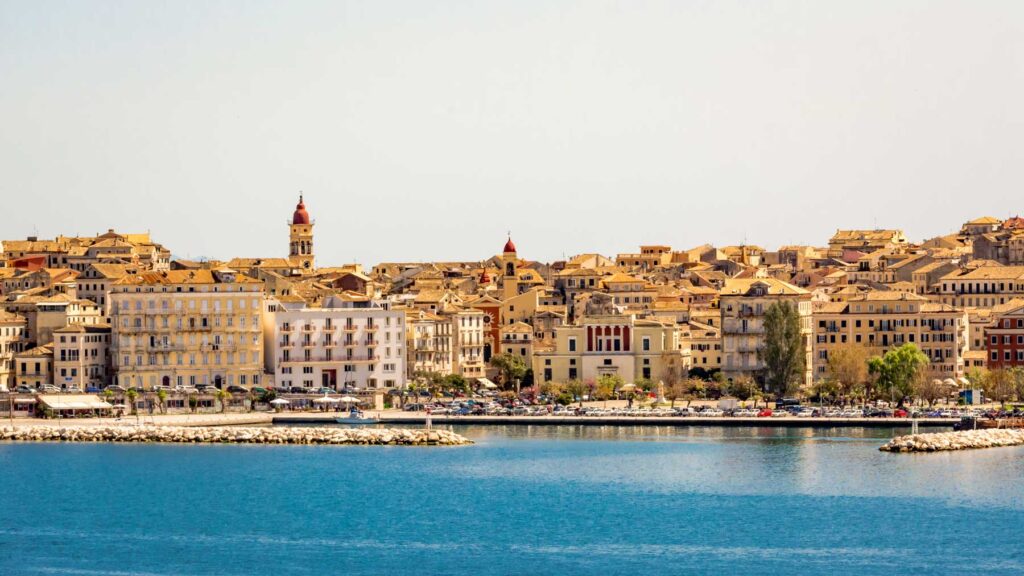
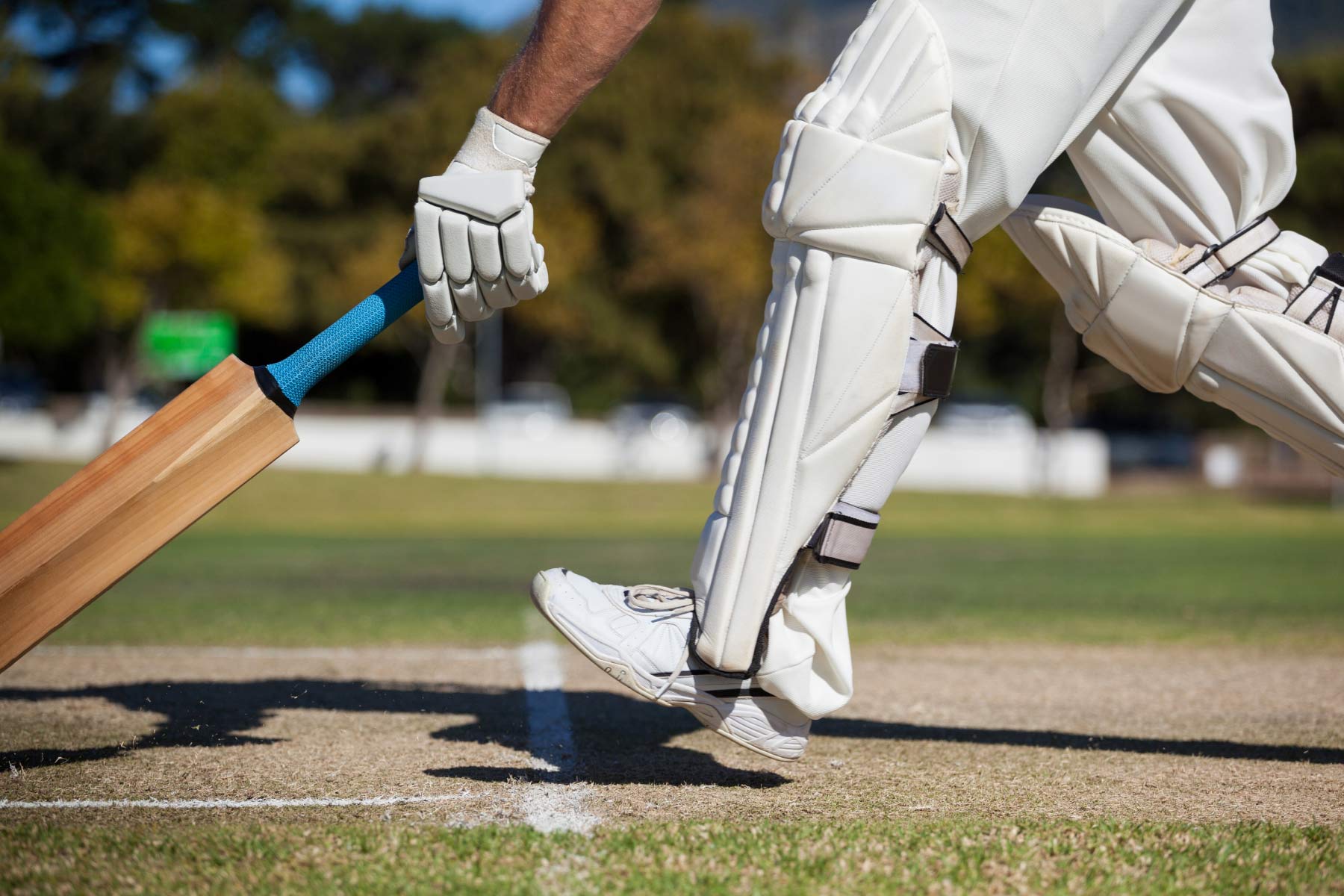
There is a cricket pitch in the middle of Corfu Town. Not a converted field or a curiosity — an actual pitch, on the Spianada, in front of the arcaded terrace where everyone drinks their coffee. It is the most visible remnant of the fifty years when Corfu was governed from London, and it is far from the only one.
How Britain Ended Up Governing Corfu
After Venice fell to Napoleon, the Ionian Islands passed through French and Russian hands in quick succession. The settlement that followed the Napoleonic Wars placed them under British protection as the United States of the Ionian Islands — a nominally independent state with its own constitution, governed in practice by a British Lord High Commissioner.
That arrangement lasted from 1815 until 1864, when Britain ceded the islands to Greece. Corfu Town was the capital of the whole federation.
The Palace of St Michael and St George
The most substantial physical legacy sits at the northern end of the Spianada: a long neoclassical palace in pale stone, built in the 1820s as the residence of the Lord High Commissioner and the seat of the Ionian senate.
It also housed the Order of St Michael and St George, the British order of chivalry created specifically for the Ionian Islands and Malta and still awarded today. The building now holds the Museum of Asian Art, which is an unexpected combination and a genuinely good collection.
Cricket
The Spianada pitch has been in use since the British garrison introduced the game, and Corfiot cricket outlasted the protectorate by a century and a half. Local clubs still play, the island supplies players to the Greek national side, and some of the terminology survives in Greek forms borrowed directly from English.
Matches are usually played through the summer months. Watching one, in front of a Venetian arcade, on a Greek island, is a reliably strange experience.
Tsitsibira
The garrison also left behind ginger beer. Tsitsibira — the name is the Greek rendering of the English words — is still made on Corfu and almost nowhere else in Greece, sold in small bottles, cloudy, lightly fermented and sharper than the commercial version most visitors will know.
Ask for it in a taverna in Corfu Town. It is the most drinkable piece of history on the island.
What Else Britain Left
- Roads. The protectorate built much of the island’s early road network, including routes still in use.
- The Ionian Academy, the first university in the modern Greek state, founded in Corfu Town under British administration.
- Water infrastructure, including an aqueduct system for the town.
- Buildings, among them the church of St George inside the Old Fortress and various barracks and public works.
- The Maitland Rotunda on the Spianada, a small circular monument to one of the more forcefully remembered commissioners.
Why Corfu Left
The protectorate was never popular. It was British rule in all but name, several commissioners governed with a heavy hand, and Corfiot political feeling ran strongly toward union with the newly independent Greek state. When the opportunity came in 1864, the islands went to Greece with little hesitation.
What is interesting is how much of the British half-century stayed anyway — absorbed, renamed in Greek, and carried on. Nobody on Corfu plays cricket out of nostalgia for the Lord High Commissioner. They play it because it is what people here have always done on a Sunday.
Walk Corfu Town with Corfu Compass NSK
The palace, the Spianada, the cricket pitch and the Old Fortress are within a few minutes’ walk of each other, layered over Venetian and French Corfu. Corfu Compass NSK runs guided tours of the town and transfers from anywhere on the island.
Contact Corfu Compass NSK to book your Corfu Town tour.