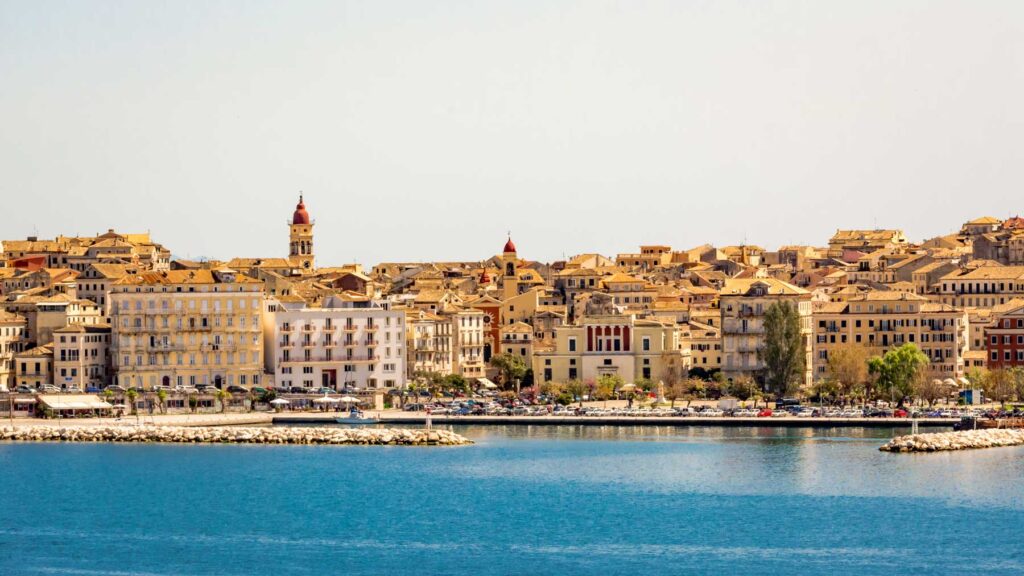
Walk through any souvenir shop in Corfu Town and you will be surrounded by small bottles of bright orange liqueur, jars of glossy preserved fruit and boxes of candied sweets. They are all made from the Corfu kumquat, a tiny citrus fruit that has become as much a symbol of the island as its olive trees. Yet the kumquat is not Greek at all. It comes from China, and it has only been growing here for about a hundred years.
A Fruit from Far Away
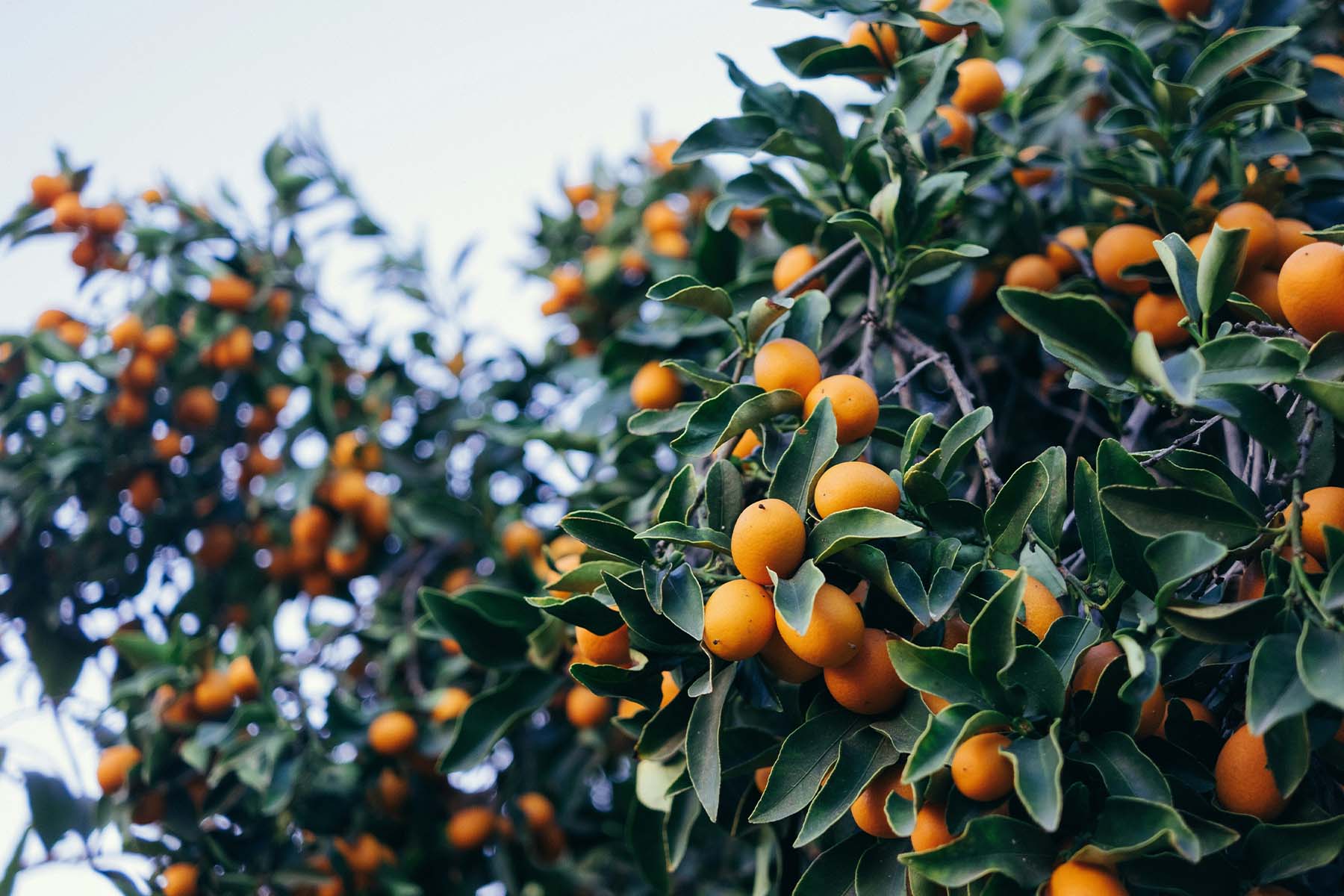
The kumquat is native to southern China, where it has been cultivated for centuries. The name comes from the Cantonese for “golden orange”. It looks like a miniature oval orange, about the size of a large olive, and it is unusual among citrus fruits because you eat it whole, skin and all. The skin is sweet and fragrant, while the flesh inside is sharp and sour.
Sidney Merlin and the Arrival in Corfu
The kumquat was brought to Corfu in 1924 by Sidney Merlin, an English agronomist and botanist who lived on the island. Merlin was a remarkable figure, the son of a British consul, a keen plant collector and, in his youth, an Olympic sport shooter. He experimented with many new crops on his estates and is credited with introducing several plant varieties to the island.
Of everything he planted, the kumquat was the one that took hold. The climate and soils of northern Corfu suited it perfectly, and over the following decades local families began to grow it in their gardens and orchards.
Why It Grows Around Nymfes and Acharavi
Today, most of the island’s kumquats are grown in the north, especially around the village of Nymfes and the surrounding area towards Acharavi and Roda. The trees are small and evergreen, with dark leaves and a mass of bright fruit in winter.
The north of Corfu has fertile soil, plenty of water from the hills and a mild winter climate, protected by the mass of Mount Pantokrator. These conditions give the fruit its particular balance of sweetness and sharpness. If you visit the area, you will see small orchards around the villages, often next to olive groves and vineyards. Nymfes is also where you find the waterfalls that come back to life after the autumn rains.
A Protected Local Product
The Corfu kumquat became so closely identified with the island that in 1994 it was recognised with a Protected Geographical Indication, or PGI. This means that products labelled as Corfu kumquat must be made from fruit grown on the island, and it protects the traditional recipes and methods used by local producers.
It is one of the island’s most important local products, alongside its olive oil, wine, honey and the spicy Corfiot sausage.
Liqueur, Preserves and Sweets
The kumquat is rarely eaten fresh, although it is worth trying one straight from the tree if you get the chance. Instead, it is transformed into a range of products.
- Kumquat liqueur. The most famous of all. It comes in two main colours: a bright orange version made from the fruit, and a clear version made from the essential oil of the peel. It is sweet, fragrant and usually served chilled as a digestif after dinner.
- Spoon sweets. Whole kumquats preserved in syrup, served in small dishes with a glass of water and coffee, in the traditional Greek way of welcoming guests.
- Candied fruit. Crystallised kumquats, sometimes dipped in chocolate.
- Jams and marmalades. Excellent on toast or with yoghurt.
- Other products. You will also find kumquat soaps, cakes, chocolates and even kumquat-flavoured loukoumi.
Where to See the Orchards and Taste
Several family-run distilleries in the north of the island welcome visitors, especially in and around Nymfes and Acharavi. Some offer free tastings and short explanations of how the liqueur is made, and they sell their products directly at better prices than the town shops. A visit is easy to combine with the waterfalls at Nymfes, a drive through the villages and lunch in a local taverna.
In Corfu Town, the shops on the main streets of the old town carry a wide choice of kumquat products, and many offer tastings. Look for products labelled as made from Corfu kumquat and produced on the island.
The Winter Fruiting Season
The kumquat flowers in summer and the fruit ripens through the winter, turning from green to deep orange. The main harvest runs from around January to March, when the trees are heavy with fruit and the orchards are at their most colourful. In October, the fruit is still small and green, but the liqueurs and preserves from the previous harvest are on sale everywhere.
Kumquat as a Gift
Kumquat products make ideal gifts to take home. They travel well, are unique to the island, and come in attractive bottles and jars. If you are flying, remember to pack liqueur in your checked luggage.
Explore Northern Corfu with Corfu Compass NSK
The kumquat villages of the north are best explored on a relaxed drive or guided tour through the interior. Corfu Compass NSK offers guided tours of Corfu Town and the island’s villages, as well as car rental, so you can discover the orchards, distilleries and local flavours at your own pace.
Contact Corfu Compass NSK to plan a tasting tour of northern Corfu.